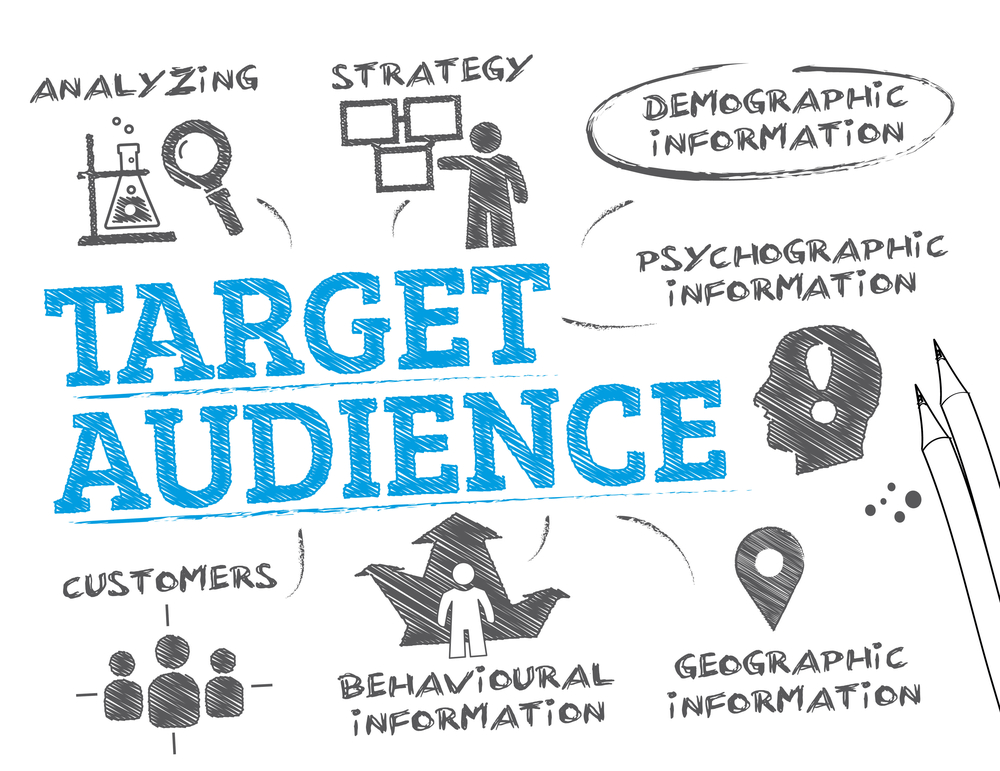
 Infiltrate Your Target Market: Serve Them the Way No One Else Ever Has or Ever Will and Prosper Exponentially
Have you ever thought about how to infiltrate your target market?
Knowing who your target market is, where you can find them, and how to appeal to them are key factors in being able to create content for your audience that they really want and need.
The type of content that touches them, makes them think and gets them to act can’t be created without full knowledge of who you’re creating the content for, and why you’re creating it.
Crafting content that sells requires knowledge of not just your niche, but of your audience, your competition, and more. If you want to be able to craft content that sells, start with your audience.
In this report, you’re going to learn how to infiltrate your ideal audience’s groups online and offline. You’re going to learn how to use the information you glean from your audience and your competition to get more ideas for the content that you’ll create and publish in various forms.
By getting to know your audience in a personal way you’re going to be more likely to appeal to them on their level. By being known as part of your own community you’ll also gain a certain amount of trust as you move toward creating more content that is appealing to your audience. Let’s get started.
Who is Your Target Audience and Where Do You Find Them?
Everyone always tells you that you need to know who your target audience is so that you can create content that appeals to them. Not only that, knowing your audience before you even create one product will virtually ensure that the product is successful.
This is because it’s much simpler to offer a product to someone when they already want and need it than it is to create the product first and find the audience later.
There are many benefits to knowing who your target audience is, such as being able to weed out the wrong audience who wastes your time and resources thus allowing you to be more effective with your marketing and product creation. Once you infiltrate your target market, you’ll become known as an authority in your niche.
Knowing exactly who you want to attract helps you focus your messaging in a way that makes the audience feel special. Knowing who your audience is, helps you avoid issues with wasting your time on people who aren’t ready to hear your message and who don’t need or want your products or services.
The first step to knowing who your target audience is to define who they are. The best way to do that is to create a customer profile or avatar which is a detailed description of a member of your audience that is the perfect picture of your ideal target audience member. By doing this you can have a true picture of your audience members so that you can create content that is just for them at just the right time. Focusing your content creation on one audience will help you create a much stronger audience who will be ready to refer you in a heartbeat because they know you walk the talk and mean what you say.
Define Your Audience
When you define your audience, you should know their age range, gender, income level, location, and whatever else you can use to identify them. The best way to do this is to conduct market research.
You can survey people you think are in your demographics using a Facebook Ad to attract people to the survey, you can conduct interviews of certain audiences of your competition, and even form focus groups to help you get more insight into your ideal audience.
As you discover facts about your audience, write them down so that you can create a picture in your mind of who your audience is.
What do they look like? What bothers them? What makes them want to buy something? What keeps them up at night? Once you do that it’s going to be easier to find them so that you can observe them in their natural habitat.
Defining your audience will help you define the message you want to deliver to them, but first, you need to find them so that you can truly get to know them inside and out as you develop the message you really want to deliver in words and tone that they resonate with.
Find Them Online
Once you have defined your audience in a very detailed way you can now locate where they like to hang out online. They may hang out on specific social media platforms, niche sites, and other types of groups.
When you join your audience, you become part of them you’re going to develop connections that are deeper than if you put yourself below or above them. This method makes you become part of them so that you can empathize more and create even better content and products for your audience.
Join Groups
The best way to find them is to join groups and networks where you think they’ll be and sit back and observe them before you start participating. Try joining just three to five new online groups, and one or two local in-person groups at a time so that you can avoid overwhelming. As you determine whether your audience is there or not you can then choose to stay or leave as needed.
Stand Back
Avoid the urge to jump right in and offer your products and services, instead, get to know them so that you can develop content surrounding their questions, concerns, and ideas. You can become part of your audience and start interreacting after you get to know them.
Be a Resource
Instead of trying to sell anything to them, consider yourself a resource to everyone. When people ask questions and you know the answer, answer the question. If you know someone who can help, recommend them. Whatever you do avoid overt self-promotion. Let your profile speak for itself.
Become an Authority
As you get to know them more find ways to demonstrate your authority. Use the information you have learned to write an eBook, host webinars, fill your blog with relevant content and information that you know your audience wants and needs to know about.
Go to Live Events
Don’t limit yourself to getting to know your audience only online. There are often many live events your audience likes to attend. This is a very powerful way to get to know them.
First, people who will pay for events are a lot more serious about helping themselves than people who don’t go. That’s what makes live events so powerful for finding active clients and customers who want what you have to offer and the means to get it.
Update Profiles
Be sure to update your profiles on all the social media networks you plan to use so that when you are being helpful people can look at your profile and find a link to your website landing page that offers them a gift to get them on your email list. This will work a lot better than overtly selling within groups not your own. Because when you say something impressive they will look at your profile.
The more you can integrate yourself into your audience’s world, the better. If you remember to pay attention to what they’re saying and make it about them and not you, you will be successful. Even when you’re truly part of your own target market your experiences only matter when you can put them in context with what your audience wants, likes, and needs.
Become Part of Your Target Market and Start Interacting
Taking your time once you find your audience and to become part of your target market will pay off when you start interacting with them. It’s all about building relationships with them so that they learn to trust you. When you know what they care about, you’ll be able to converse with them on their level which will make it so much easier for them to trust you.
If you go into a new group and start selling and promoting you’re not going to make a good impression or even, make friends. In fact, people get mad when they see overt selling in most groups online especially when people post drive-by questions and then never engage. Engagement is the biggest key to infiltrating your market so that you can get to know them bets.
Instead, you need to take your time to really immerse yourself in the niche with the audience so that you become part of it. By doing so you’ll make stronger connections.
Plus, you’ll get to know your ideal customers on a whole new level due to having the ability to interact with them and learn how they speak to each other as well as their wants, needs, and desires.
- Immerse Yourself – Don’t go into a group and post something about what you will do for them right away. Instead, watch, listen, and learn. One of the most crucial factors in creating content that resonates with your audience is to really get to know your audience.
- Make Connections – As you meet people in your niche on groups, in forums, at events and more start to make connections with them. Do more than just liking their pages or follow them on Twitter. Find ways to connect such as sending them articles or information you think they’d like. Invite them to chat, if you’re local, invite them for coffee.
- Learn Their Language – As you immerse yourself in their groups and get to know them you’ll begin to learn the type of language that they use. When you pay attention to the words they use, it’s going to make it easier to use those types of words and phrases in the content you create for your audience.
- Note Their Wants, Needs & Desires – As you observe your audience communicating and participating in their groups and forums note their wants, needs, and desires so that you can use that information not only in the content you create but in the products, you create and sell. For example, if you note that several people ask the same question in any given group, this is valuable information for you to use for writing an eBook, developing this course, and more.
- Read What They Read – Find out what publications they read and start reading them. The more you can put yourself in their shoes the more you’re going to understand. Ask them to recommend books, magazines, and blogs for you to read by asking “What’s your favorite _______?”
- Listen to What They Listen To – Do they have podcasts they like about a particular topic? Ask the groups so that they can share with you who they like listening to. Ask them why they like it. Listen to it, and post some of the podcasts that you want to discuss so you can get more information.
When you work hard to get to know people it pays off. It pays off because you will build trust with your audience in a way that you can’t if you’re unable to take the time to discover who they really are, what they really want, what they need, and how you can best deliver it to them.
Being part of the market makes you an insider. But, keep in mind that your own experiences are still subjective. That means that even if you’re part of the group, part of the market, what you experience doesn’t make it a fact for all or even a majority of the market you’re trying to get to know. Take the time to really study issues rather than making assumptions.
Spy on the Competition
Your competition is very important to get to know. It’s not that you want to copy them or steal from them in any way. But, knowing what they are doing to attract, engage, and work with your audience is a good way for you to find out how to do the same.
The way you can find out who else is serving your target market is to ask them in groups who they like to follow. Who is the best coach? Who is the best service provider? Who do they admire in the niche?
By asking the right questions you’ll get to know who the competition is that you need to learn more about. Your competition can give you amazing insight into your audience in a way that you may not have considered. That’s why it’s important to find out who they are. Once you do get involved.
Once you find out who your competition is, it’s important to act just like your audience acts by signing up for their lists, using their resources, and even buying a product or two so you can see what kind of quality they offer.
- Sign Up for Their Lists – Sign up for your competition’s email lists. Break down how they are accomplishing their successes. How many emails do they send out each day? What type of emails do they send? What type of freebies are they offering? What do they offer as their products or services?
- Read Their Content – Take time each day to read the type of content they’re distributing to their audience. Can you identify what they have in their marketing funnel? What’s the entry point, what type of content are they delivering for each stage of the buying cycle? If you can reverse engineer what they’re doing, it’s going to help you tremendously in their research.
- Learn How They Interact – If you send a reply to an email that the competition sends, where does it go? Do they reply? Do they ignore it? Does it go to a help desk? On social media how do they interact with their audience? Is it authentic? Is it honest? Are there any gaps? Can you do it better or differently?
- Find Out Where They Interact – As you get to know the competition you should figure out where their customers interact and then join those areas. Try to observe and interreact without selling or promoting yourself at this point. Be a helpful resource but no more.
- Note the Gaps – You may notice during your work to get to know your competition is that they have gaps in coverage. There may be a reason, so it’s important to try to discover the reason. It may be something they overlooked but it also might be something they tried in the past that did not work.
By looking at what they’re doing for their ideal audience you can identify what is working well, what is not working, and where there are gaps. These gaps are fodder for all sorts of content creation ideas. When you find them, you can start interacting with them via social media.
As you learn more about your competition remember that you can get ideas about what type of content your audience likes to consume and how they like to consume it but never copy other people’s content because that is plagiarism. Instead, find out how you can do even better than your competition in the spaces they leave the customer unfulfilled.
Start Putting That Knowledge to Good Use
Once you learn all you can about your audience and your competition, it’s time to put all that knowledge to good use. It will help if you write things down and keep track of what you’re learning on paper (or electronic document) instead of just in your head.
Keep notes of the facts that you learn about your audience and your competition that will make it easier for you to use for crafting compelling content for your audience. Create content that you will attract, nurture, and motivate your audience to want to get to know you, trust you, and eventually, buy from you.
You can use what you learn to create content for email, blog posts, articles, videos, webinars, and more. Let’s explore some of the different types of content you may need to create for each format depending on what you have learned from your audience and your competition.
In Email
The type of content you send your audience in email is very important. In fact, some might argue more important than other types of content. If you start to think of your email list as a list of members who are part of your inner circle it’ll be easier for you to think of what type of information to give them.
The type of content that you send via email will not only help educate them, but it will help nurture them so that they stay on your email list and become more responsive. In fact, the email you send them teaches them how important it is to open and engage with you via email.
Let’s look at some of the types of emails you can send your audience…
- Welcome Them – When someone joins your email list the first thing they should get is a welcome email. Make this email count since it’s more likely to be opened than other emails. In this email tell them what to expect from your email list, consider sending them a survey that will help segment them better, and take the opportunity to cross promote your social media networks.
- Send Resources to Them – Another type of email is to send the resource email. This is an email that shares with your audience several resources that you like. You may choose instead to only send one type of resource per email in this way you’ll be able to keep the email shorter and send more emails if you use more than one type of resource on a regular basis that you know your ideal audience also needs.
- Send an Unexpected Freebie Email – It’s always nice to send your email list members something nice in email. For example, let’s say you notice the same question being asked of the groups you’ve joined. Develop a short report and send them a link to the freebie. This is another way to segment your audience.
- Get Answers to a Survey – This is a wonderful way to find out what your audience wants. Send them an email describing your question with a link to the survey. You can set up your email autoresponder, depending on the system you have, to segment your audience based on their survey answers.
- Answer a Question You Saw –Another great email to send is based on the questions you keep seeing on social media or one you got via email. Use the question as the beginning of an email to your audience answering the question or even better, talk about the question and link to the answer that they can purchase in the form of an eBook or a Course.
- Be a Great Resource by Sending Curated Content – You don’t have to create all the content you send via email. You can instead, point out other content that is important along with your commentary. The best way to do this is by first creating a blog post with the curated content, and link to it in an email.
- Let Others Brag About You Via Email – Did you get a new testimonial that made you feel great? If so send an email to your audience announcing the testimonial and link to it. Always link to the product that prompted the testimonial too.
- Monthly Newsletter – A good email to send out is a weekly or monthly newsletter. The best way to do this is to put some new content but use content you’ve already used elsewhere in the newsletter such as your blog posts, social media updates, and essentially what’s new for the week or period the newsletter covers. You can also call out clients, members, and others within and ask for contributions.
- Build Buzz in Email – A fun email to send is hints about upcoming events, products, and When you show excitement for something, they will be excited too. So, if you have anything upcoming that’s on your mind, even if its’ next year it’s a valuable time to send an email about it.
- A Day in The Life – This is a great type of email you can send to your list describing what you do on any given day. If you prefer you can make it a blurb about it, that links to a blog post, but it is nice to offer some exclusive content in the email so that your subscribers feel special.
The more often you email your list the better. But remember that you want to ensure that you really have something important to say before you send the email. Keep them shorter than a blog post, make sure they link through to more information, a resource, or a product for them to buy.
In Blog Posts and Articles
When you know more about your audience it’ll make it easier for you to create the right type of content for your audience. Use the information you gather during your research to make the subject of the blog posts or articles compelling to your audience. Keep that in mind as you create these types of blog posts and articles for your audience.
- Create a How to Blog Post – This is a great type of blog post to create. You can include images, video, and text depending on how difficult the concept is to show to your audience. Use the information you gather from connections to help you figure out what they need to know.
- Develop List Posts – List posts are very popular. A list blog post simply means that you make a numbered list for something. So, let’s say you noticed everyone asking in groups “How Can I ______? “ Fill in the blank. If you know several ways to do it, whatever “it” is, you can write a post that answers that question.
- Craft a Series of Posts on One Topic – Developing a blog post series for more complex topics is an important way to create content for your audience that can be turned into cornerstone content. Cornerstone content is content that most reflects your business’s goals and missions. The remarkable thing about series posts is that you can also turn the combined posts into a PDF and give it away as an ethical bribe to move people to your email list.
- Create a Resource List – If you use or know about resources that your target audience needs, this is also a great type of blog post. You can turn it into an article instead of a blog post and make it a menu item as well. Use your affiliate links when possible to add another income stream.
- Develop Checklists – Another great type of blog post or article content for your audience are checklists, cheat sheets, and to-do lists. These can be both a blog post and a download.
- Write Product Reviews – If you use someone’s products or services and you believe that your audience will like using the same, doing a product or service review is a fantastic way to generate useful content for your audience. Sometimes you can even earn additional money via an affiliate link with this type of content.
- Stir the Pot or Poke the Bear – Another clever way to come up with content based on what you learn from your audience is to cause a little controversy by stirring the pot. Let’s say you don’t agree with some of the conventional wisdom in your niche, you can post about it. If you can back up your information with research and facts it will be a popular post.
- Create Infographics if You Have a Lot of Data – Anytime you have stats and data that’s a wonderful time to create an infographic. You can use infographics as an effective way to put a picture in your audience’s mind for any blog post or article that has a lot of data in it.
- Post Videos or Podcasts Instead of Text – A blog post doesn’t have to be text based. You can instead create a vlog. You can record it, post it on YouTube then embed it on your blog. It doesn’t hurt to offer a transcript as well for SEO purposes or as a download lead magnet option.
- Conduct Interviews – A terrific way to get known in your industry and create amazing content for your audience is to interview industry leaders, satisfied customers, and anyone who has anything relevant to say to your audience.
- Transcribe Audio or Video – Anytime you have audio or video take the time to transcribe it. You can use it right on the page for SEO, but you can also turn it into a report.
- Accept Guest Blog Posts or Articles – An effective way to create content for your audience is to let other people create it. Set up a straightforward way to take guest posts or articles on your blog. You can choose what the content is about by giving them some guidelines.
- Write Guest Blog Posts or Articles – Guest posting where your audience reads content is an effective way to bring your audience to your website. Find out which publications they read and start submitting content to them. You may be surprised to find they’re happy to publish it and provide a link back to your website. (Hint: Create a special landing page for each place you guest post to so that you can better track the effectiveness.)
- Publish Offline – Don’t limit where you publish. You can publish in offline publications as well. If you write well enough to publish online chances are you can also earn publication in print journals, magazines, newsletters, and newspapers.
Using the information, you learn about your audience as an active and integral part of your own audience will help you determine the type of information they want to know and need to know. Then you can turn that information into valuable blogs and articles.
In Videos and Webinars
The information you learn from your audience can also be used for content ideas for videos and webinars. Pretty much anytime someone asks a question it can be used as a webinar or quick video, for example.
- Product Demonstrations – Often doing a demo with video is easier than trying to explain something with text. You can do product demos live and recorded. For example, if you want to demonstrate anything from how to exercise, to how to cook, to how you organize your files for clients, you can do that via webinar or recorded video.
- How to Tips – You can create short videos with one tip per video, then post it on YouTube, or Facebook, or both, then embed it into your website on the blog. The ideas for the tips should come from the questions and ideas brought up by your audience.
- Customer Testimonials – When someone gives you a written testimonial ask them if they’d be willing to do a short video testimonial for you to add to your social media and website. Often, they’ll say yes. Also, if you go to a live event, take that time to do short interviews asking them what they think of the event.
- Customer Q & A Videos – This is an effective way to use Facebook Live or YouTube Live. Let people know when you’ll go live and let them ask questions, you answer or if someone else can answer let them answer.
- Expert Q & A Webinars – Invite one of the experts that you’ve been watching, even if they’re your competition, to do an expert Q & A webinar about something important to your audience.
- Video on Sales Page – Another fabulous use of video is to put it on a sales page. Explaining why someone needs something on video appears much more authentic and relatable than just text sometimes.
- Explainer Videos – You’ve seen the great explainer videos where a difficult concept is explained by a spokesperson along with a whiteboard. These can be fun and get across a point in a memorable way.
- A Greeting – Another use for video is to create a greeting to your audience. You can use them on your site, your social media like LinkedIn.com and other places to help develop trust. Remember to use the words and phrases that your audience finds comforting.
These are all appropriate uses for video and webinars. But you can probably think of even more for your audience. When you participate in your groups, online and offline, take note of the type of information they seem to find most important and useful. That information will help you develop the best content for your audience.
In Podcasts
A very popular type of content is podcasts. This is audio content that your audience will listen to using services like iTunes.com or they might go directly to your site to listen to your podcast.
Podcast content can be any type of content that you’ve created for any other platform. You can use informational blog posts as content for your podcast. You can use questions your audience has asked on other people’s groups, forums, or even shows you’ve listened to if you feel you can answer it better.
There are some good rules to use for podcast content that you want to keep in mind. First, make sure that you get the ideas from your audience, and not just made up out of your mind without research. Next, you want to ensure that all your content fits the following criteria.
- Podcasts Should Be Personal – When you’re talking to your audience telling them your story, or someone else’s story, try to be as personal as possible so that you connect with your listeners on an emotional level.
- Stay Relevant – Your topics should be relevant to your target audience. One way to ensure that you know what is relevant is to listen to other people’s podcasts in your niche. Look at the comments made, see how many times it’s downloaded, find out what the listeners think about the podcast. Improve upon theirs and fill in the gaps.
- Conduct Interviews – Podcasts are always more fun if it’s two people having a conversation. The listener feels like they’re getting an inside view of two experts talking about the topic. You can find people to interview using the information you gleaned from infiltrating your target audience and knowing who they see as experts or gurus.
- Audience Participation – Sometimes it’s fun to let the audience participate by asking them to come on your podcast. You can let them interview you, and you can interview them.
Podcasting is a wonderful way to create content because you can do it once, and then repurpose it multiple times. Your audience can enjoy your podcast while exercising or doing housework without having to give it 100 percent attention like a webinar or blog post.
But, you must learn how to get the content ideas from your audience. When you do that, they’re going to think you can read their mind. Even though they’ve told you what they want to know.
On Sales, Landing Pages, and Opt-In Pages
Sometimes we forget that a sales page or opt-in page is also a content page. This content still needs to appeal to your audience. In fact, it’s even more imperative that you use the language that your audience is using so that they relate to your offer immediately.
There are some things that every landing page needs to include to infiltrate your target market, but you must do it from the perspective of the audience, the person who is going to answer the call to action. The best way to know what type of content to use is to get to know the audience very well by watching them on social media, knowing who they like to follow, which publications they read, and so forth.
- Headlines – A good headline speaks to the audience in a way that they understand while also telling them what they’re going to read when they click through in words that mean something to them.
- Persuasive Content – If you know your audience very well, it’ll be easier for you to create persuasive content for them that makes them want to know more. That’s because you know what is keeping them up at night, how to bring up their problems in a way that gives them hope that they can solve them with your product or service.
- Tell a Story – One way to handle a landing page is to tell a story in a way that they’ll be excited to see how it unfolds. You could be telling them their own story, and how it unfolds is that they buy your offer and follow the steps you give them, and they succeed. You will only know this by learning who they are by watching and learning from them.
- Explain Why You – Every landing page or sales page should give the reader some information about you that lets them know you’re the right person to trust. The best way to do that is by using words that they use when they are talking about their problems and concerns.
- Make it Chunky – This has nothing to do with your particular audience but it’s important that the content you put online is chunky and broke up with white paper. Using subheads, bullets, mini-headlines, and the right keywords will help a lot.
- Elicit Trust – Your audience needs to trust you to follow your calls to action. The best way to elicit trust is by answering their questions before they ask. You can know these questions by observing the things they say online in groups, forums, and the questions they ask when you do a Facebook Live Q & A session.
- Provide Social Proof – If you’re very active on social media with your audience this part will be a lot easier than if you don’t have any connection with anyone. Give them real-world examples of how the product or service works. When you see people talking about it on social media ask them if you can use their story.

Once you know what your ideal customers are looking for, it’s easy to create content that appeals to them. Keep in mind that you can’t just study your audience once, you need to study them continually. Think about how much people have changed over the last 10 years, 20 years, 30 years or more. The demographics of a group may stay the same, but often their ideas of propriety changes along with their morals and values. Keep learning by participating with your ideal audience on social media, in forums, and online and offline events.
You’ve learned the importance of getting to know both your audience and your competition. You’ve learned that joining in with your audience as a member of the audience yourself is a good method to learn about your ideal audience as well as identify who your competition is so that you can also study them in a way that truly pays off.
You’ve also learned how to define your audience, find your audience, and then how to communicate with them properly to truly get to know them before you start marketing to them.
You’ve learned that just because you are part of the audience doesn’t mean you know definitively what most of them think or feel because your experiences are subjective. That’s why it’s important to keep track of data so that the data speaks for itself instead of just feelings.
You’ve also learned about the various types of content ideas you can get from getting to know your audience on this intimate level while being part of the audience too. Plus, how you can potentially fill in the gaps your competition is leaving on the table to offer your audience a little something different without copying your competition.
The first thing you should do now define your audience, then find your audience, after that, you’ll be able to find your competition and get to know everyone very well so that you can start creating more compelling content that really touches your audience in a special way encouraging them to act.
I’m bestselling USA Today and Wall Street Journal author Connie Ragen Green. My goal is to help at least a thousand people to reach six-figures and beyond with an online business for time freedom and passive income and to simplify your life by learning how to infiltrate your target market for your online business. Come along with me, if you will and let us discover how we may further connect to achieve all of your dreams and goals. Perhaps my “Monthly Mentoring Program” for newer online entrepreneurs is right for you.
Leave a Reply